Showing posts with label Yeast. Show all posts

February 26, 2017

Sugar DaddYeast, Or Sensing Sugar With Yeast

Sugar DaddYeast
Or sensing sugar with Yeast


Yeast… yeast are wonderful organisms. It’s fascinating how human used these microorganisms. From ancient history to nowadays, humanity used it for many purposes, especially for bread, wine and beer, which participated in human development. Humanity has used for a long time the incredible ability of yeast to transform sugar into alcohol.
In this project, we want to use Saccharomyces cerevisiae (also known as baker’s yeast) as a sugar sensor. We can observe its reaction in two ways, that are induced by different sugar concentrations in their media where it develops.


First because they “eat” sugar in their environment, to do cellular respiration or alcoholic fermentation. To check out these two types of metabolism, just look at this quick video here and here (you’ll even know how to do your own cider!). Basically, they will produce more waste of these metabolisms if more sugar is available to “eat” (just like us humans, if you understand what I mean…).


Second, because they react to higher concentrations of sugar in their environment in a specific way. Indeed, to survive “hyperosmotic pressure”, the phenomenon induced by higher concentrations of a solute in the surroundings of the organism than in the organism itself, they react by producing certain molecules, such as glycerol. If you did not understand well this phenomenon, watch this video or this one- it’s quite long but you’ll know a lot of interesting stuff (that’s the core of our variable, so yeah, that’s important to understand if you want to redo the project !).


At first we wanted to measure the quantity of alcohol (the output of alcoholic fermentation) produced, but we decided that it was way too difficult to measure, as well as CO2, the output of cellular respiration.
So we searched a way to spot the reaction of the cells to hyperosmotic pressure.


And we found a yeast’s protein, called HOG1. Proteins are the basis of every living form. They are coded by genes. Every gene codes for one protein. Now that’s very basic, if you want to know more about proteins and genes, you should think about following a molecular biology course. Or check out this video for an introduction.
This protein relocates from the cytoplasm into the nucleus of the yeast when the yeast is under hyperosmotic pressure.


We used a Green Fluorescent Protein (GFP) modified strain of yeast to spot the relocation of this protein, HOG1.
GFP-modified strains of yeast are GMOs. It means that their genetic information has been changed. Basically, bio-engineers will insert a gene coding for a fluorescent (which means, basically, that it glows back when exposed to a certain light) protein just next to a gene of interest -here, the gene coding for HOG1. We can observe a specific protein glowing with a fluorescence microscope, at a specific location of the cell.


Our protocol was simple : we would mix 10µL of yeast media (YPD) with a certain concentration of glucose with 10µL of an overnight culture of a GFP-HOG1 yeast strain. Then, we would put 3µL of the mix on a microscope slide, and observe this mix at the fluorescence microscope in less than 5 minutes. We would take several pictures (10-20), and we would count the number of cells, for each slide, that have fluorescence clearly and obviously more in the nucleus than in the cytoplasm, and the other.


Then, from this counting of cells, we would get a percentage. Here are our results, simplified for you to understand faster :
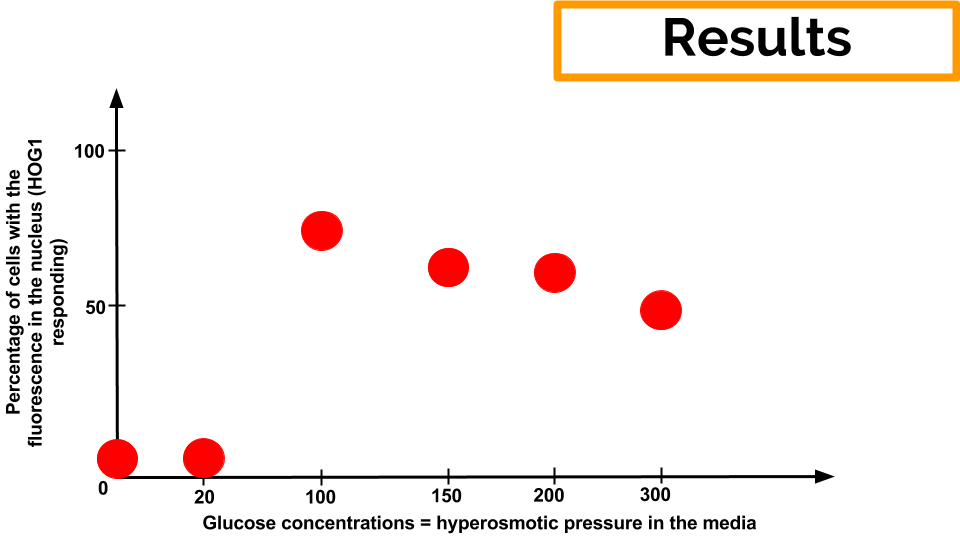


What can we conclude about that ? Not much. First, we don’t have enough data to be statistically relevant. Moreover, we have many experimental errors in our protocol. Did you find them all ?


First, we have a subjective classification of the cells that fluoresce in the nucleus and ones that fluoresce in the cytoplasm.
With a computer script to automatically treat the picture, we would have fewer variations in our measures.


Even though we have lots of experimental errors and confirmation biases (to know what it is, go there), we can observe from our results that hyperosmotic pressure does have an impact on the relocation of HOG1 in the nucleus, from 10% of glucose in the media. It’s also the concentration with the more response of the yeast cells. We observe a decrease of the response in higher concentrations, which may be due to the harsh conditions of such osmotic pressures that would kill the cells.


Further experiments should be performed, with less errors and biases, and more repetitions. The goal would be to understand if a HOG1-GFP strain of Saccharomyces cerevisiae can be used as a really accurate, precise and with a good resolution hyperosmotic pressure sensor!


Thanks a lot for reading our blog post, we hope you understood it. Don’t hesitate to contact us if you have any question, by email or twitter!


@leonfaurefdv
@louise_jacquot
@NinaVarcha

Link to the Storify : https://twitter.com/sugar_daddyeast/status/835847597235585024
Link to the GitHub documentation : https://github.com/learningthruresearch/Biosensors2017/tree/master/SugarDaddYeast

Image sources : fr.wikimedia.org

February 15, 2016

ProDiehlene Glycol project


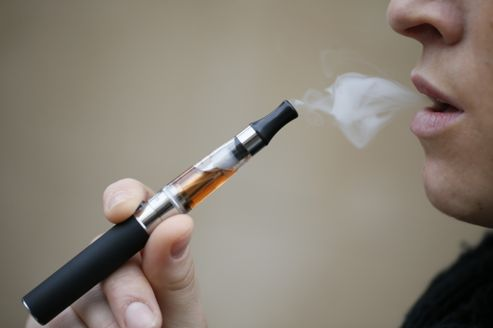
The electronic cigarette was first considered as a fashion phenomenon. But this “gadget”, which changed many smokers’ daily life, became a real long term solution. More than 12 million of French people has already tested it, and 400 000 stopped smoking thanks to this electronic device. 

However, there is one point that is controversial. Indeed, a lot of people worry about its possible toxicity, and one component is of central concern: propylene glycol. This chemical, which represents 50-70 % of the cigarette liquid, is supposedly toxic, and is the subject of many studies. That is why we wanted to test its toxicity both as a poison, and as a hygroscopic substance (a substance that suck up the humidity in the air).


Fig 1 - Comparison between electronic cigarette and cigarettes


Is propylene glycol toxic?


So, we want to evaluate if the propylene glycol is toxic. Several studies on the electronic cigarette and its toxicity were already made, such as in this article
To try to answer this question, we run a biological experiment with yeasts to observe if the propylene glycol has an impact on their growth. It’s an organism much used in research because it’s easy to grow and observe. Moreover, it’s a eukaryotic organism (ADN contained into a nucleus) like humans, so it can be used as a model. As for the hygroscopic properties, we run an electronic experiment with a humidity sensor of to see if the propylene have an effect on the humidity of the body.

Fig 2 - An electronic cigarette

The biological experiment - How does different concentrations of propylene glycol affect yeasts growth?


To begin our biological experiment, we put yeasts in culture for one night. We chose two different wild-type yeast strains, to see if there was a change. We called these strains: ALA 1 & ALA 2. Then, we used a 96 well plate to put our yeasts in various concentrations of propylene glycol. We determined these concentrations from a series of calculation by taking into account the mass of our yeasts after the night culture and the lethal dose (referred to as LD50) of propylene glycol for an organism (20g/kg).

We have 10 replicates for every concentration of propylene glycol (5 for each strain). We also realized two lines of control for our media of culture (YPD) to know if it is contaminated.


Fig 3 - How did we put the yeasts at different propylene glycol concentration

Then we put this plate into a Tecan, a machine that measure the Optical Density (or Absorbance) in each well. The higher the Optical Density is, the more there are yeasts. Thanks to this data, we can determine the growth or the decay of the yeasts.

The electronic experiment - What are the effect of Propylene Glycol concentration and volume on air humidity?


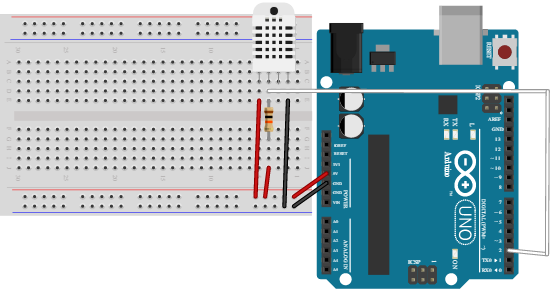
For our electronic experiment, we used an Arduino, which is a microcontroller, and one sensor of humidity DHT 22. We made this assembly and used the library available on this link to be able to take our measures.

Fig 4 -  The electronic assembly

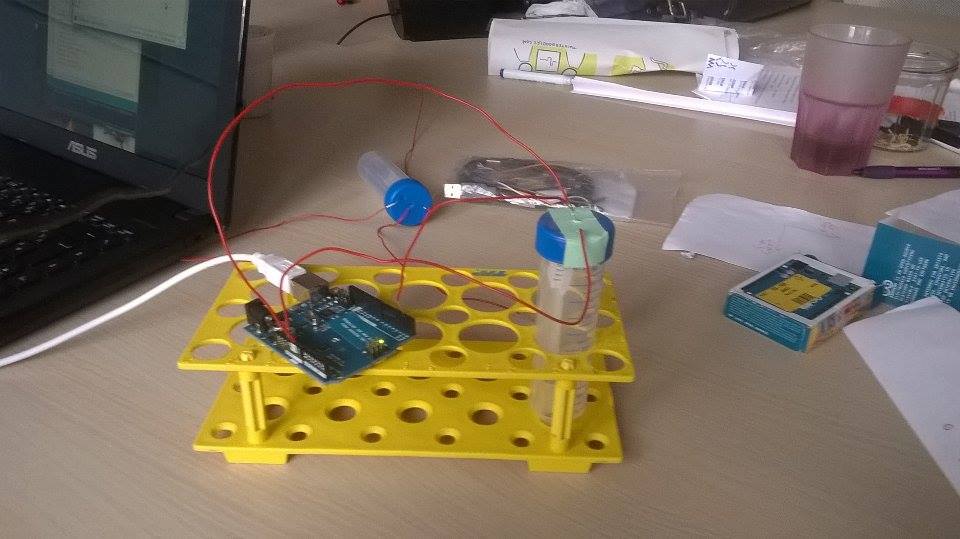
We took a tube and drilled the cork three times to pass each connections. We put parafilm and tape on the cork to have a better insulation. Afterwards, we put the solution in the falcon. We have different solutions. We did this with experience with concentrations of propylene glycol at 33 %, 66 %, 70 %, 80 %, 90 %, 95 % and 100 % for volumes of 10, 20 and 30mL.
Then, we put the humidity sensor in the tube and closed the tube with the pierced cork. Finally, we took our measures every 2 seconds for 12min.

BIOSENSORS.jpg
Fig 5 -  The electronic experimental setup

What did we obtain at the end?


Finally, for the yeast experiment we obtained these two graphs: 

Fig 6 -  Influence of propylene glycol on ALA1 yeast strain

Globally, ALA1 grew better with propylene glycol than without. Indeed, the more propylene glycol there is, the better yeast grew. It’s the opposite of what we expected.

Fig 7 -  Influence of propylene glycol on ALA2 yeast strain

Regarding ALA2, all the curves all really close to one another and we obserbe that yeast grew better witthout propylene glycol than with it.


For the electronic sensor experiment we obtained this:

Fig 8 -  Influence of concentration of propylene glycol on air humidity at different volumes

We see easily that, the higher the concentration is, the lower the humidity is. We also observed that the volume of the samples don’t modify the humidity rate. Indeed the curves are close to each others. We obtained some inconsitent values, especially for the 30 mL.

So, what can we conclude?


Our study shows that propylene glycol is efficient at absorbing humidity. However it’s not obvious that Propylene glycol is really toxic. There is no significant decreases of yeast growth when there are in contact with this product. And we saw two different behavior from the 2 strain. 
This study presents some biaises. Indeed, we don’t have enough data. To be more precise, it would be better to take measure every 10 minutes (and not every 30min like we did). And to use another 96 well plate to obtain to repeat the experiment. Finally, we could have uses another humidity captor for our results to be more reliable. We also had problems with the ALA1 strain, wich didn’t grow much, maybe that’s why we got these strange results for them.


L2 students from LFDV


If you want to know more about propylene glycol and electronic cigarette, here are some interesting links, that are our ressources:

Article:


Videos:


Infographics:


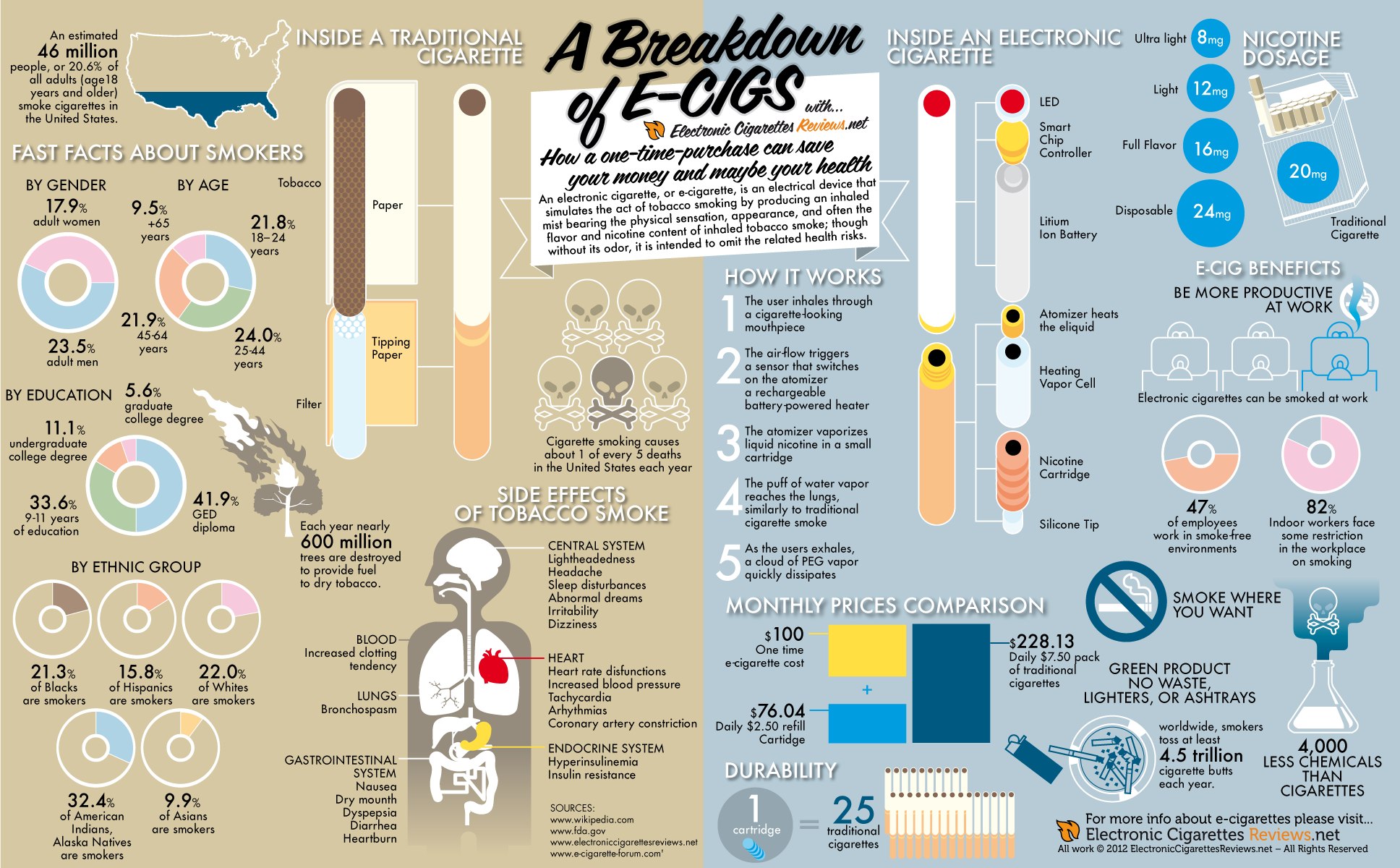
Infographics about electronic cigarettes and cigarettes (credits ElectronicCigarettesReview.net)


Other:


In case you speak french:


February 7, 2016

GluYeast

The GluYeast project

Students at FdV Bachelor, this week we made the GluYeast project, a one week project on the chemical gradients. It consists in studying the  growth of yeasts (Saccharomyces cerevisiae) in function of glucose concentration and compare our result with an electronic glucose sensor.  Yeasts are microorganisms often used in science because they are easy to manipulate and to cultivate, we know their genome and so one... Moreover, yeasts are present everywhere in our everyday life as in the bread or in the alcohol like beer. The glucose is also a very interesting element because it is a molecule essential to the survival of organisms but it also could be toxic when it is in high concentration.

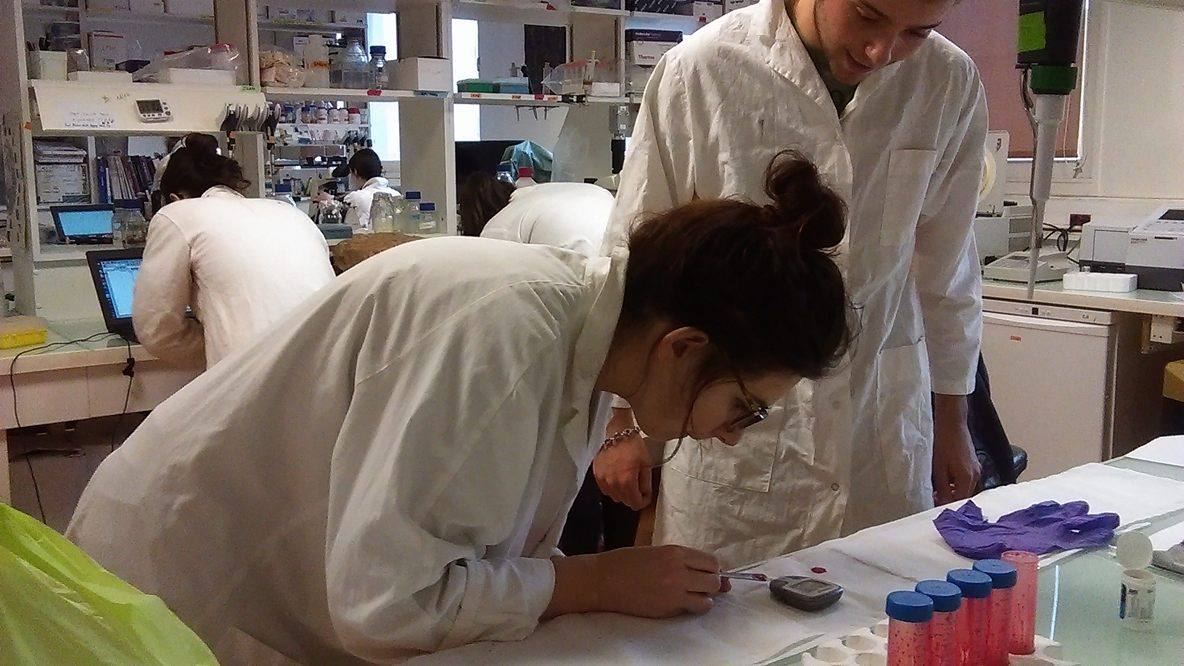
Our purpose is to observe what is the impact of the glucose on the yeast growth like in this video (with a different protocol)  or in this article and to compare this biological sensor with a diabetic device testing several glucose concentration diluted in pig’s blood (cf fig 1).

Fig1: Picture during experiments


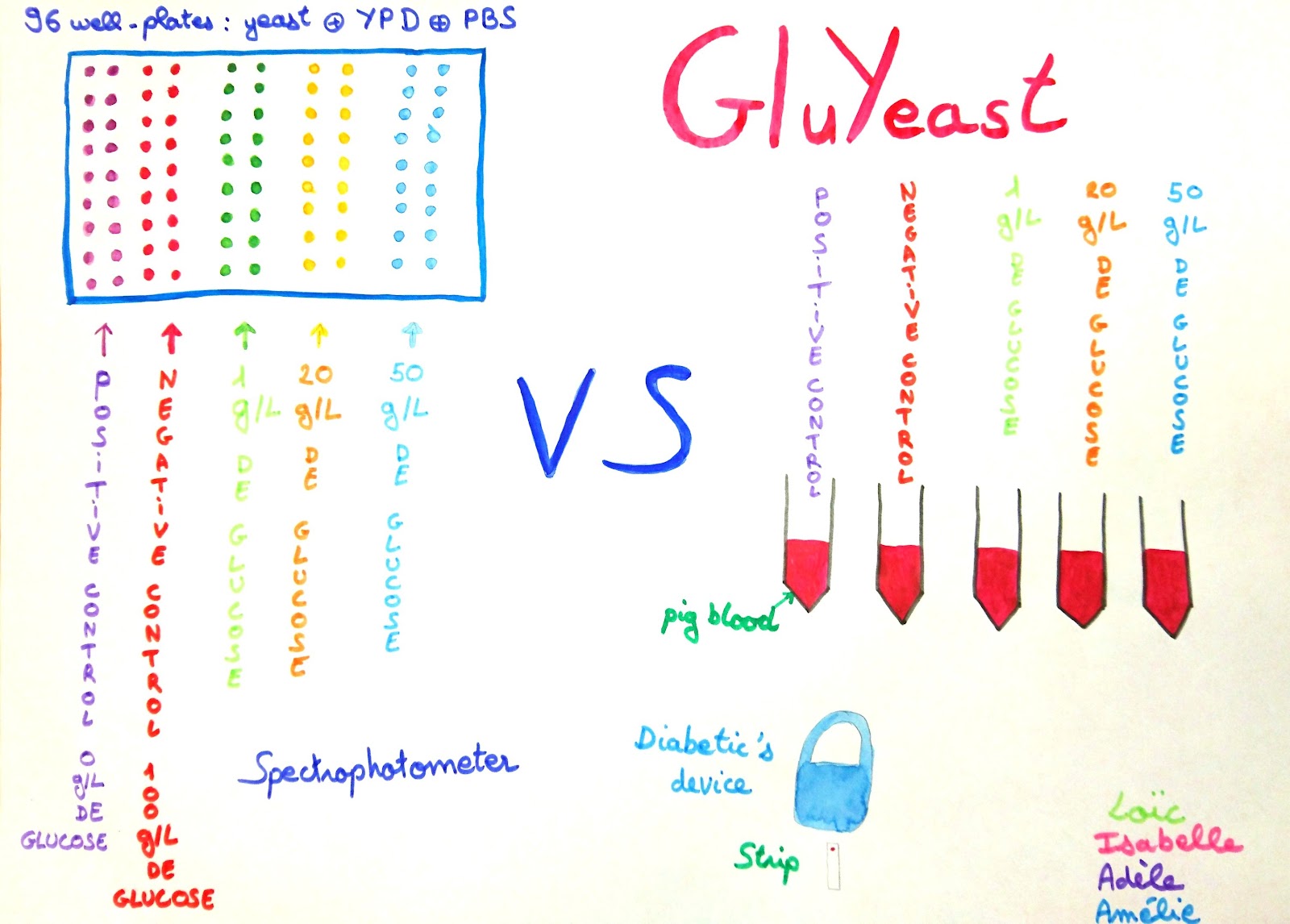
Fig 2: Representation of experimentation


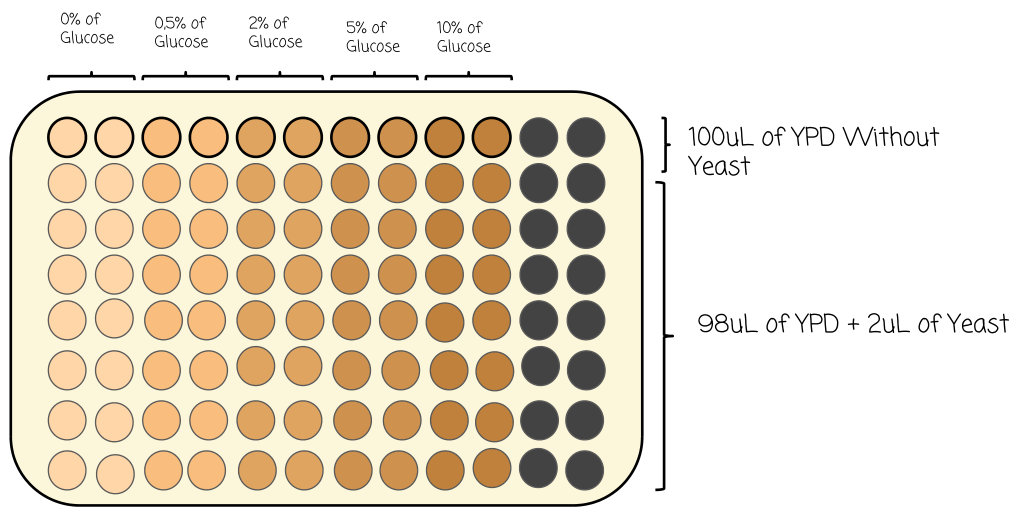
To start with, we prepared five solutions of YPD (rich media for yeasts) with different concentrations of glucose: 0 g/L, 1 g/L, 20 g/L, 50 g/L and 100 g/L. We have put 100mL YPD per concentration. We also put in culture yeasts during a night. Then the next day, we used a 96 well-plates to put yeasts in culture in a various solutions of YPD. In every well, we added some oil to avoid that the cultures dry out. We realized 14 replicates per concentration (cf fig.2).


96well plate.png

Fig 3: Representation of 96 well-plates


Finally, we placed the 96 well-plates in the spectrophotometer, in order to measure the absorbance. We put the device at 30 °C and realized measures every 30min during 10h. From these results, we were able to determine the yeasts growth speed for each concentration of glucose.

Fig 4: Sketch of experimentation on electronic sensor

For our second experiment with the diabetes monitor, we also realized five solutions of pig's blood with different concentrations  of glucose, which are the same that for yeasts. Then, after the preparation of these solutions, we just need to realize our measures putting a drop of blood (with a spatula) on the strip inserted into the device. We have changed the strips for each measure (cf fig4).

After this experiment, our results shown that the more the concentration of glucose raise, the more the yeasts growth is important. Note that this results isn’t true for a glucose concentration of 100g/L. Because the glucose can be toxic for yeast above a concentration. The glucose thus plays an important role in the development of yeasts.


With our diabetic monitor, we observe that  more the concentration which was put is high, more the measured value by diabetes monitor is also high.
However, the monitor gives a value below the real value. We realized our measures without respecting a waiting time after put the glucose in the blood. Thus the glucose did not necessarily have enough time to dilute itself completely in the blood. Furthermore, the device cannot measure concentrations of glucose higher than 6g / L. That force us to realize dilutions of the blood. That is why the device for diabetic is precise only for small concentrations of glucose.

To conclude, we can say that the glucose is important for the growth of yeasts but it can be toxic in too important concentrations. The diabetes monitor is precise and accurate until 6 g/L of glucose in blood. After this concentration, the device can’t measure the concentration because it’s not it using (diabetic people don’t have this Glycaemia rate of glucose in our blood because it’s really toxic). To improve this project, it would be necessary to realize more replicates for every experiments and by using several strain of yeasts and other devices for diabetics to reduce the biological noise and to have more precise results.


Nevot Adèle, Bouissou Amélie, Jousset Isabelle and Hermant Loïc


L2 students from LFDV

If you want to know more about yeast and glucose, here are some interesting links, that are our ressources:


Article:


Other :


Blog disclaimer

The content created by the Learning thru research Student Bloggers and those providing comments are theirs alone, and do not reflect the opinions of Centre de recherche interdisciplinaire, University Paris Descartes or any employee thereof. The authors of posts and comments are responsible for the accuracy of any of the information supplied on this blog, as well as for any content copyright issues.